
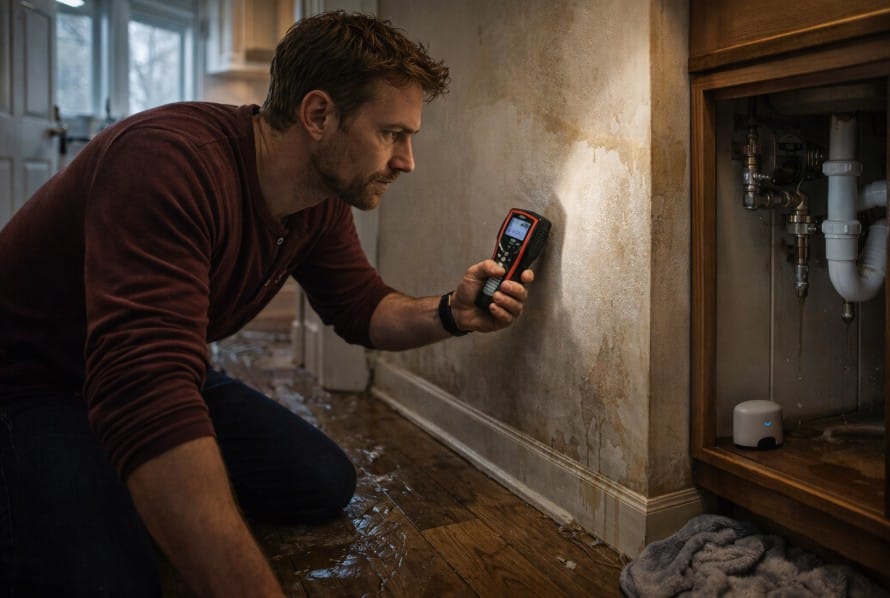
Hidden water leaks can quietly damage your home long before you notice a visible problem. From slow drips behind walls to small roof or pipe leaks, untreated moisture can lead to mold growth, rising water bills, and serious structural issues. That’s why plumbing leak detection is so important for homeowners who want to protect their property and avoid unexpected repair costs.
In this guide, we’ll walk you through the most common early warning signs of water damage, explain how to perform a simple moisture inspection around your home, and help you understand when a small issue turns into an emergency. You’ll also learn when it’s best to call professional plumbing services in Tulsa, OK for advanced leak detection and fast repairs. By catching leaks early and taking the right steps, you can prevent costly water damage cleanup, protect your roof and foundation, and keep your home safe and dry.
Early Detection
Why Early Leak Detection Matters
Even the smallest plumbing leak can quietly wreak havoc behind your walls, under your floors, or above your ceiling, long before you notice any visible damage. What starts as a slow drip can quickly evolve into significant problems like rotting wood, mold growth, warped drywall, and even foundation instability. These issues don’t just affect your home’s safety and comfort; they often come with a hefty price tag for water damage cleanup and repairs.
According to the U.S. Environmental Protection Agency, the average household leak can waste nearly 10,000 gallons of water each year, enough to fill a backyard swimming pool. This not only drives up your water bill but also increases the risk of long-term damage if leaks go undetected. What makes it worse? Many of these leaks remain hidden behind walls or under floors until it’s too late.
That’s why early plumbing leak detection is critical. Catching a leak early gives you the opportunity to address it before it causes widespread structural damage or requires costly restoration work. Whether you own a home or manage a property in Tulsa, OK, taking a proactive approach with routine moisture inspection and being alert to subtle warning signs can save you thousands in repair costs and insurance headaches.
This guide is designed to help you spot the red flags, understand how leak detection works, and take the right steps, from DIY inspections to knowing when to call emergency plumbing professionals like us. Because when it comes to water damage, prevention really is the best protection.
Top Signs of Hidden Plumbing Leaks
Plumbing leaks don’t always announce themselves with gushing water or obvious puddles. Often, the signs are subtle, but recognizing them early is key to preventing long-term damage. Plumbing leak detection starts with knowing what to look for around your home.
Here are some of the most common red flags that may point to a hidden leak:
- Discolored walls or ceilings: If you notice brown, yellow, or dark stains on your walls or ceiling, it could be a sign of water seeping through drywall or plaster. These stains often expand over time and may be accompanied by a soft or sagging texture.
- Musty or moldy odors: A persistent damp or earthy smell, especially in areas like basements, bathrooms, or under sinks, usually signals moisture accumulation. Even if you can’t see mold, a musty odor can be one of the first indicators of hidden water damage.
- Unexplained increase in your water bill: If your water usage hasn’t changed but your bill has spiked, it could mean that water is escaping somewhere unnoticed. This is a telltale sign that a leak may be hiding behind walls, under floors, or in outdoor plumbing.
- Warped flooring or bubbling paint: Wood flooring that feels soft or warped, tile grout that’s lifting, or paint that’s peeling or bubbling are all signs that water is getting where it shouldn’t. These symptoms often show up before water is visibly pooling.
- Sudden drop in water pressure: A loss in pressure throughout your home could indicate that water is leaking before it reaches your fixtures. This is especially concerning if the pressure drop happens suddenly or without explanation.
If you’re seeing one or more of these signs, it’s time to investigate further. Don’t wait until visible damage forces a costly repair. Taking action during this early detection phase gives you the best chance to prevent structural issues, mold growth, or the need for full-scale water damage cleanup.
How Plumbing Leak Detection Works
Plumbing leak detection today goes far beyond guesswork or tearing into walls. Professional plumbers use a combination of high-tech tools and proven techniques to locate leaks with precision, without causing unnecessary damage to your home.
Here’s a breakdown of the most common methods used during a moisture inspection or full leak detection service:
| Method | Best For | DIY-Friendly? |
| Moisture Meters | Measuring dampness in floors and walls | Yes – Basic models |
| Infrared/Thermal Imaging | Finding hidden leaks behind surfaces | No – Requires training |
| Acoustic Leak Detection | Listening for pipe vibrations and water | No – Specialized tool |
Moisture meters are often the first step and can be used by homeowners or professionals to identify areas with abnormal dampness. These tools measure how much moisture is present behind walls, under flooring, or around fixtures, offering an early clue to where water may be leaking.
Infrared or thermal cameras take things a step further by visualizing temperature differences on surfaces. Because water affects the temperature of materials around it, these cameras can highlight areas where hidden leaks might be present, such as behind drywall or under a slab foundation.
Acoustic leak detection involves using sensitive microphones and listening devices to “hear” the sound of water escaping from pressurized pipes. This technique is especially useful for detecting slab leaks or underground pipe damage, where visibility is limited.
By using a mix of these tools, professional plumbers can confirm leaks without guessing, minimizing unnecessary wall or floor damage and getting straight to the source of the problem. If you’re concerned about hidden leaks, especially in older homes or areas prone to water damage, a professional moisture inspection could save you from costly repairs later.
Moisture Inspection
DIY Moisture Inspection Tips Every Homeowner Should Know
If you suspect a hidden plumbing leak but aren’t sure where to start, performing a DIY moisture inspection can give you a head start before calling a pro. While not a substitute for professional diagnostics, these simple steps can help you detect early signs of trouble and potentially avoid serious water damage.
Here’s a step-by-step moisture inspection checklist:
1. Check Your Water Meter
Turn off all water-using fixtures and appliances, then check your water meter. Wait 15–30 minutes without using any water. If the meter reading changes, it’s a strong sign that water is leaking somewhere in your system.
2. Inspect High-Risk Areas
Focus on places where leaks are most likely to occur, such as under kitchen and bathroom sinks, around toilets, behind your washing machine, near the water heater, and behind major appliances. Use a flashlight to check for dampness, corrosion, or puddling.
3. Look for Visual Clues
Moisture often leaves visible evidence. Watch for peeling paint, water stains, warped floorboards, or discolored ceiling tiles. Even small changes can be signs of a leak hiding behind your walls.
4. Listen for Unusual Sounds
Do you hear a constant dripping, hissing, or trickling noise when no water is in use? These sounds often signal water flowing through a leak, especially inside walls or beneath floors.
5. Consider Installing Smart Leak Detectors
Modern smart sensors can monitor moisture levels and alert you in real time if water is detected. These are ideal for basements, laundry rooms, and other areas where early detection can prevent major headaches.
If your DIY inspection uncovers suspicious signs or you’re simply not sure, don’t wait, contact us for a professional evaluation. Their licensed team can confirm hidden leaks using advanced equipment and stop the damage before it spreads. Early action is always your best defense.
Emergency Plumbing
When to Call Emergency Plumbing Services
Not all plumbing problems can wait, and knowing when to act fast can make the difference between a simple fix and extensive water damage. Some situations require immediate intervention to prevent serious harm to your home and health. You should contact emergency plumbing services right away if you experience any of the following:
- Burst pipes are causing active flooding. Water can spread quickly, soaking drywall, flooring, and furniture.
- Rapid pooling around appliances or walls, Water collecting near your dishwasher, washing machine, or inside wall cavities can point to a major leak or pipe failure.
- Sagging or bulging ceilings. This is often a sign of water trapped above, putting both your ceiling and safety at risk.
- Uncontrolled leaks that worsen over time. If you can’t contain or slow the leak, it’s time to call in a pro.
Delaying action in these situations can allow water to seep into structural materials, weakening beams, warping flooring, or triggering mold growth within just 24 to 48 hours. Mold doesn’t just damage your property; it can also cause respiratory problems and worsen allergies.
If you’re unsure whether the issue qualifies as an emergency, it’s always better to be safe. Maston’s Plumbing and Drain offers fast, reliable emergency plumbing services throughout the Tulsa area, helping homeowners like you stop damage early and restore peace of mind.
Water Damage Cleanup
Next Steps: Water Damage Cleanup
Detecting and fixing a leak is only half the battle; the next crucial phase is water damage cleanup. Even a small amount of lingering moisture can lead to mold, structural deterioration, and long-term indoor air quality issues if not handled properly. Acting quickly helps reduce damage and may even improve your chances of a smoother insurance claim process.
Here’s what homeowners should do immediately after a leak is found and stopped:
- Shut off the water supply if you haven’t already, and isolate the affected area to prevent further spread.
- Remove waterlogged items such as rugs, insulation, drywall, or furniture that can’t be salvaged. These materials can trap moisture and become breeding grounds for mold.
- Begin the drying process using high-powered fans, dehumidifiers, and open windows (if weather permits). The goal is to get air circulating and humidity levels down fast.
- Document everything, take photos and video of all damage, including before and after cleanup. This is essential for insurance claims and proving that you acted quickly.
- Consider professional restoration services if water has reached behind walls, under flooring, or into the HVAC system. Experts have the equipment and training to ensure the area is thoroughly dried and sanitized, preventing future mold issues.
If the leak was tied to a larger plumbing issue, such as a burst pipe or backed-up drain, Maston’s Plumbing and Drain can connect you with trusted restoration partners or help with upgrades like backflow prevention and plumbing remodels to reduce future risk. Acting quickly protects your home’s value and your family’s health.
Preventing Future Leaks
The best way to avoid costly water damage cleanup and emergency plumbing calls is by staying proactive. Leaks often develop silently over time, especially in older homes or during seasonal changes when pipes are under extra stress. By implementing a few preventive measures, you can catch small issues early and avoid major disruptions.
Here’s how to protect your home or business from hidden leaks:
- Schedule regular moisture inspections with a licensed plumber. These inspections help identify early warning signs of leaks in places you might never check, like behind walls or under slabs, giving you peace of mind.
- Install smart leak detectors in high-risk areas such as under sinks, near water heaters, and behind appliances. These devices send real-time alerts to your phone when unusual moisture levels or water flow is detected, helping you act fast.
- Replace aging or corroded plumbing components. If your pipes, connectors, or valves are more than a decade old or showing signs of rust, it’s wise to upgrade before they fail.
- Maintain your gutter system and yard drainage. Ensure rainwater flows away from your foundation. Clogged gutters or poor grading can direct water toward your home, increasing the chance of leaks or seepage.
- Plan ahead during renovations. Whether you’re tackling a full bathroom remodel or adding new fixtures, coordinating with a plumber ensures proper backflow prevention and plumbing integration to prevent future issues.
- For commercial properties, preventive plumbing matters even more. Investing in professional commercial services helps avoid costly interruptions due to water damage in large buildings.
Remember, a small investment in routine plumbing maintenance today can save you from major headaches tomorrow. Don’t wait for visible damage; stay one step ahead with a strong leak prevention plan.
Act Before Water Damage Spreads
Catching a plumbing leak in its early stages can make the difference between a quick fix and a full-scale restoration. With effective plumbing leak detection, you gain the ability to spot problems before they spiral into costly damage, like warped flooring, mold infestations, or structural weakening. Whether it’s a slow drip behind a wall or a hidden pipe leak under your foundation, time is of the essence.
By staying alert to warning signs, using simple moisture inspection techniques, and understanding when to call for help, you can protect your home, your health, and your budget. Don’t wait until a small leak becomes a major problem.
If you’re located in Tulsa or the surrounding area and suspect a hidden leak, contact the trusted experts. Their trained technicians use advanced detection tools to find and fix leaks quickly, helping you prevent further damage and restore peace of mind.
H3: Frequently Asked Questions (FAQ)
What is the first sign of a hidden plumbing leak?
Hidden plumbing leaks rarely announce themselves right away. One of the earliest signs is often a musty or damp odor, especially in bathrooms, kitchens, or laundry areas. You may also notice faint water stains on ceilings, walls, or baseboards that seem to grow over time. Another red flag is an unexplained increase in your water bill, even when your household habits haven’t changed. Paying attention to these subtle clues allows for early detection before leaks turn into costly repairs.
Can I use a moisture meter at home?
Yes, many homeowners use basic moisture meters to check for elevated moisture levels in walls, floors, or ceilings. These tools are affordable and easy to use, making them a good first step if you suspect a problem. However, moisture meters have limitations and may not detect leaks deep inside walls, under concrete slabs, or within ceilings. If readings are unusually high or the source remains unclear, a professional moisture inspection is the safest next step.
How fast does water damage spread?
Water damage can spread much faster than most homeowners expect. Within just a few hours, moisture can begin soaking into drywall, insulation, and flooring. If left untreated, mold growth can begin within 24 to 48 hours, and prolonged exposure can weaken structural materials like wood framing. Acting quickly when you notice signs of a leak is critical to minimizing damage and repair costs.
Are smart leak detectors worth installing?
For many homeowners, smart leak detectors are absolutely worth it. These devices monitor moisture levels or water flow and send instant alerts to your phone when something unusual is detected. This early warning system allows you to shut off water and call for help before visible damage occurs. Smart detectors are especially helpful in areas prone to leaks, such as under sinks, near water heaters, or in basements, and they can significantly reduce the risk of major water damage events.