
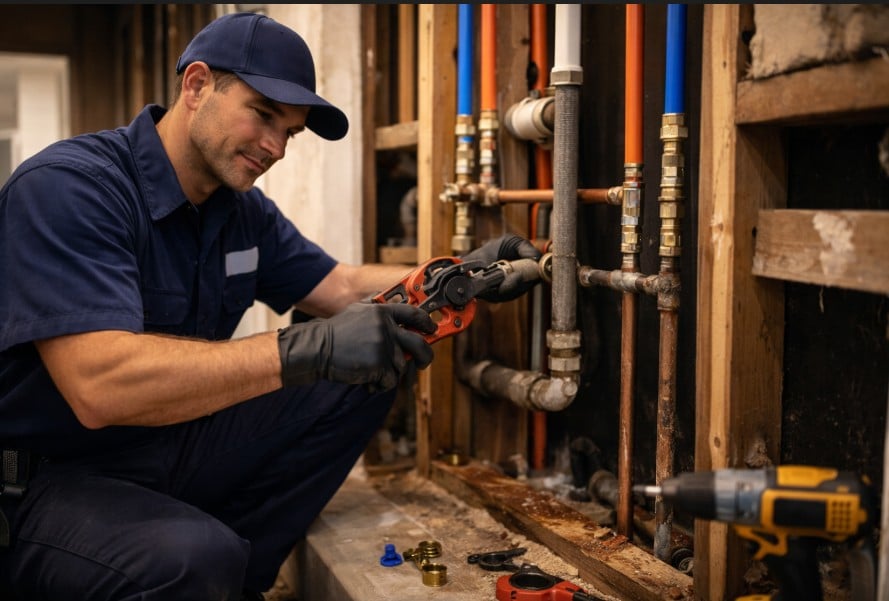
Many of Tulsa’s historic and mid-century homes were built with plumbing systems that were never designed to last forever. While materials like galvanized steel and early-generation copper pipes were once considered reliable, years of corrosion, mineral accumulation, fluctuating water quality, and normal wear can slowly weaken these systems. Over time, this deterioration can lead to leaks, poor water pressure, discolored water, and even hidden damage behind walls or under floors.
If your home’s plumbing has started to show signs of age, it may be time to explore repipe Tulsa services as a long-term solution rather than continuing with repeated repairs. This guide explains the most common warning signs of failing pipes, what house repiping actually involves, how professionals determine a repipe estimate, and what you can expect during the process. You’ll also learn when it makes sense to contact trusted local experts like Maston’s Plumbing and Drain for a thorough inspection and personalized recommendations, helping you protect your home, your water quality, and your peace of mind. For homeowners looking for comprehensive plumbing services in Tulsa, OK, we provide expert guidance and reliable solutions tailored to your home.
Why Old Pipes Are a Common Problem in Tulsa Homes
Many Tulsa homes built before the 1980s still rely on their original plumbing, which can create a range of issues as the system ages. Common materials found in these older homes include:
- Galvanized steel, frequently used in homes built before 1960, is prone to internal corrosion over time. This can lead to leaks, rusty water, and reduced water flow.
- Copper, known for its durability, can still develop pitting or pinhole leaks after decades of use, particularly if water chemistry is harsh.
- Polybutylene, Popular in homes constructed from the late 1970s to the 1990s, these pipes are now notorious for failing prematurely, sometimes without warning.
As these materials age, they naturally deteriorate. Corrosion, rust, and mineral buildup inside the pipes can restrict water flow, lower water pressure, and place additional stress on plumbing fixtures. This can also lead to unexpected leaks or damage behind walls, under floors, or in crawl spaces.
Typical lifespans of these materials vary: galvanized steel lasts around 20–50 years, while copper can often endure 50+ years under normal conditions. However, many factors influence longevity, including water quality, temperature fluctuations, and usage patterns.
For homeowners, aging pipes aren’t just inconvenient; they can pose long‑term risks to water quality and home safety. Corrosion from old plumbing materials can release metals like lead and copper into drinking water, especially in older systems where pipe materials were used before modern safety standards.
Warning Signs Your Home May Need Repiping
Recognizing early warning signs of failing pipes can save you time, money, and stress. Here are the most common indicators that your Tulsa home may need a professional repipe Tulsa service:
1. Frequent Plumbing Leaks
If you find yourself constantly repairing leaks, especially in older pipes, it’s often a sign that the entire system is deteriorating. Even small, repeated leaks can lead to hidden water damage behind walls, under floors, or in crawl spaces, potentially causing mold growth and structural issues if left unchecked. Scheduling a professional leak detection service can help identify hidden problems before they become major repairs.
2. Low or Uneven Water Pressure
Experiencing weak water flow at multiple faucets or inconsistent pressure throughout your home? Mineral buildup, corrosion, or narrowing of aging pipes can restrict water flow. Low water pressure isn’t just inconvenient; it can affect shower performance, appliance efficiency, and your day-to-day routines.
3. Discolored or Rusty Water
Brown, yellow, or metallic-tasting water is a clear signal that corrosion is affecting your plumbing system. Beyond being unpleasant, it can also impact your health, stain laundry, and damage appliances over time. Discolored water should never be ignored.
4. Strange Pipe Noises
Banging, knocking, rattling, or whistling sounds in your pipes often indicate pressure fluctuations, loose fittings, or failing joints. These noises aren’t just annoying; they may signal serious problems that could lead to leaks or bursts if not addressed.
5. Outdated or Unsafe Pipe Materials
Homes with galvanized steel or polybutylene pipes are at higher risk for corrosion, leaks, and sudden failures. If your plumbing still uses these older materials, investing in a full house repiping now can prevent costly emergency repairs and increase your home’s long-term safety and value.
House Repiping
What Is House Repiping?
House repiping is the professional process of replacing your home’s water supply pipes with new, modern plumbing lines. This can involve either a partial replacement, targeting only problem areas, or a full repipe, where the entire system is upgraded.
Unlike repeated patch repairs, repiping addresses the root cause of plumbing issues. It replaces old, corroded, or failing pipes with durable materials such as PEX or copper, ensuring your plumbing system is reliable for decades to come.
The benefits of house repiping go beyond just fixing leaks. A full repipe can:
- Improve water quality, eliminating rust and metallic taste
- Restore consistent water pressure and flow
- Reduce the risk of unexpected leaks and water damage
- Increase your home’s value and appeal to future buyers
For homeowners with older Tulsa properties, house repiping is a proactive investment that protects your home, saves money on ongoing repairs, and provides peace of mind. Scheduling a professional evaluation from a trusted company like us ensures you get the right solution tailored to your home’s unique plumbing system.
How the Repiping Process Works
Understanding the steps involved in a professional repipe can help reduce stress and make the process feel manageable. Here’s what most homeowners in Tulsa can expect:
1. Home Inspection & Plumbing Evaluation
A licensed plumbing technician begins with a thorough inspection of your existing system. This may include camera inspections, pressure tests, and a review of pipe materials. The goal is to identify problem areas, pinpoint potential risks, and discuss the best approach for your home. You’ll also get guidance on which pipe materials, like PEX or copper, are most suitable for your property.
2. Choosing the Right Pipe Material
Modern plumbing materials are designed to last for decades.
- PEX: Flexible, easy to install, resistant to corrosion, and generally more budget-friendly.
- Copper: Durable, long-lasting, and proven to handle high water pressure with minimal maintenance.
Your plumber will help you weigh the benefits of each option based on your home’s age, layout, and water conditions.
3. Installation & Replacement
Once a plan is in place, the old pipes are carefully removed and replaced. Access may be through walls, ceilings, crawl spaces, or attics, depending on your home’s layout. Professional plumbers aim to minimize disruption, often keeping most of your plumbing functional during the process.
4. Testing, Cleanup & Restoration
After installation, the new system undergoes thorough pressure testing to ensure there are no leaks. Plumbers then restore any areas they accessed during the project, leaving your home clean and fully operational.
Timeline: For most Tulsa homes, a complete repipe typically takes 1–3 days, though larger or more complex homes may take slightly longer.
By understanding these steps, homeowners can feel confident that a house repiping project is not just a repair but a long-term investment in safety, water quality, and peace of mind.
Repipe Estimate
What Affects a Repipe Estimate in Tulsa
The cost of repiping a home in Tulsa is not one-size-fits-all. Several factors influence your repipe estimate, and understanding them can help you plan your budget and make informed decisions.
| Cost Factor | How It Impacts Price |
| Home Size & Layout | Larger homes require more pipes and labor, increasing overall project costs. |
| Pipe Material Selected | PEX is typically more flexible and budget-friendly, while copper is more expensive but highly durable. |
| Accessibility of Plumbing | Hard-to-reach pipes in walls, crawl spaces, or attics require additional labor, adding to costs. |
| Condition of Existing Pipes | Old, corroded, or damaged pipes take longer to remove, which can increase labor and disposal costs. |
| Permits & Local Codes | Local regulations may require inspections and permits, which can add to the overall project price. |
On average, repiping a Tulsa home can range anywhere from $4,000 to $15,000+, depending on these factors and the complexity of your plumbing system. Keep in mind that investing in a full house repiping often prevents costly future repairs, improves water quality, and increases your home’s value, making it a smart long-term investment.
For an accurate repipe estimate tailored to your home, it’s best to schedule a consultation with a licensed Tulsa plumber like us, who can assess your system, explain your options, and provide a detailed quote.
Benefits of Repiping Your Tulsa Home
Investing in a professional house repiping project offers numerous advantages that go beyond simply fixing leaks. Here’s why upgrading your plumbing is a smart decision for Tulsa homeowners:
- Cleaner, clearer, and safer water
Replacing old, corroded pipes removes rust, sediment, and contaminants from your water supply, improving taste and reducing potential health risks. - Consistent water pressure and flow
New pipes eliminate blockages caused by mineral buildup or corrosion, ensuring showers, faucets, and appliances work efficiently throughout your home. - Fewer emergency leaks and repairs
Old pipes are prone to sudden failures. A full repipe reduces the risk of costly leaks, water damage, and inconvenient emergency plumbing calls. - Better home resale value
Modern plumbing is a major selling point for buyers. Repiping can increase your property value and make your home more attractive on the market. - Long-term peace of mind
Knowing that your plumbing system is reliable and built to last allows you to avoid ongoing repairs and stress, making your home safer and more comfortable.
In short, repiping is more than a repair; it’s an investment in your home’s performance, safety, and overall value. For Tulsa homeowners, it’s a proactive step that saves money, protects your property, and ensures dependable water service for years to come.
When to Call a Professional for Repiping
If your home exhibits several warning signs, such as frequent leaks, discolored water, low water pressure, or strange pipe noises, or if your plumbing is over 40 years old and still uses original pipes, it’s time to consult a licensed plumbing expert.
While temporary repairs may provide short-term relief, they rarely solve the underlying problem. Full house repiping addresses the root causes of aging or damaged pipes, preventing recurring leaks, water damage, and costly emergency repairs.
A professional plumber can:
- Assess the overall condition of your plumbing system
- Recommend the best pipe materials for your home
- Provide an accurate repipe estimate tailored to your needs
- Complete the project efficiently with minimal disruption
For homeowners in Tulsa, working with a trusted local company like us ensures a thorough evaluation, professional guidance, and peace of mind. Don’t wait until a small problem becomes a major emergency; scheduling a consultation now can protect your home, water quality, and wallet in the long run.
Frequently Asked Questions About Repiping
1. How long does house repiping take?
Most full repiping projects in Tulsa are completed within 1–3 days, depending on your home’s size, layout, and accessibility. Larger or more complex homes may take slightly longer, but professional plumbers work efficiently to minimize disruption to your daily routine.
2. Do I need to leave my home during repiping?
No. Experienced plumbing teams plan the work to be as non-disruptive as possible. In many cases, water is available in parts of the home while the project is underway, so you can continue your daily activities with minimal interruption.
3. Is repiping worth it for older Tulsa homes?
Absolutely. For homes with original or aging plumbing, repiping eliminates recurring leaks, improves water quality, restores consistent pressure, and protects appliances from damage. It’s a long-term investment that can also enhance your home’s resale value.
4. How do I get an accurate repipe estimate?
A precise repipe estimate requires a professional consultation and inspection. Licensed plumbers evaluate your existing system, identify problem areas, and provide a detailed quote based on your home’s size, pipe material, and accessibility. Contact us to schedule a free evaluation tailored to your home.
5. What pipe material is best for Oklahoma homes?
Both PEX and copper are excellent choices:
- PEX: Flexible, cost-effective, resistant to corrosion, and easy to install.
- Copper: Highly durable, long-lasting, and ideal for high-pressure systems.
Your plumber can help determine which option is best based on your home’s age, water quality, and long-term goals.