
What Every Homeowner Should Know Before Mold Becomes a Bigger Problem
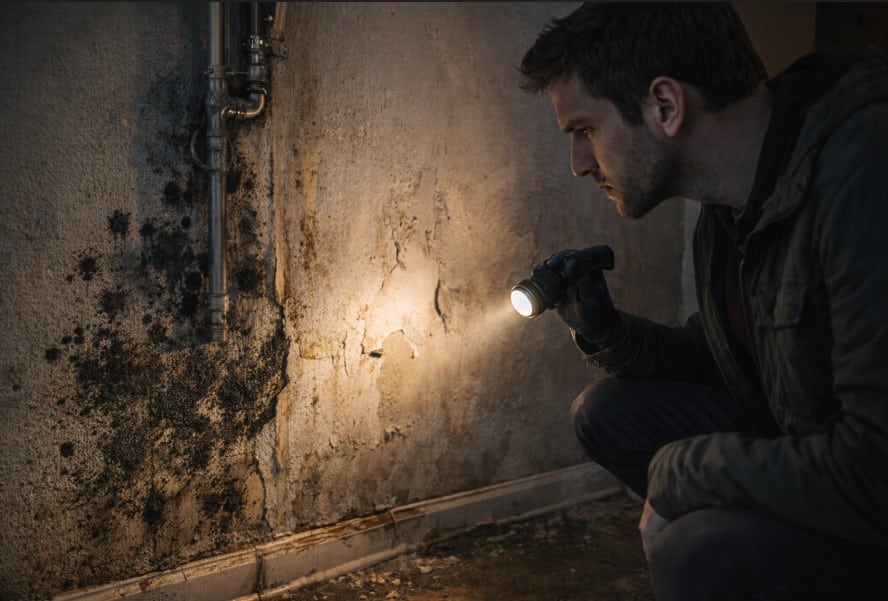
Mold isn’t just something you can wipe away with a towel and forget. Whether it’s hiding behind walls or growing in damp corners of your basement, mold can pose serious risks to your home’s air quality, structural stability, and your family’s health. If you’ve recently dealt with a leak, humidity issues, or unexplained allergy-like symptoms, it’s no surprise you’re searching for mold removal near me.
Mold often begins quietly, with a faint musty odor or a small dark stain. But left unchecked, it can spread rapidly and cause expensive damage. Worse yet, certain types like black mold may release toxins that affect respiratory health, especially in children, seniors, and those with asthma.
In this guide, you’ll learn:
- How to recognize the early warning signs of mold
- Common causes like water in basement areas, attic condensation, and high indoor humidity
- Why DIY cleanup isn’t always enough, and when it’s time to call the pros
- How humidity control and fast water damage cleanup can stop mold before it starts
Plus, we’ll share prevention tips and explain how trusted experts like Maston’s Plumbing and Drain, known for their reliable plumbing services in Tulsa, OK, help homeowners tackle mold at the source. Whether you’re currently facing mold or want to avoid it entirely, this guide gives you the knowledge to make informed, proactive decisions.
1. Why Mold Removal Matters More Than You Think
Mold isn’t just a surface issue, it’s a deeper problem that thrives in places most homeowners rarely inspect: behind walls, under flooring, and in attic or crawl space corners. It feeds on moisture and organic materials like wood, insulation, and drywall, making even small leaks or high humidity a potential breeding ground.
Health experts, including the Centers for Disease Control and Prevention (CDC), warn that mold exposure can lead to serious health effects. Common symptoms include coughing, wheezing, sinus congestion, and skin irritation. Mold is especially harmful for people with asthma, allergies, or weakened immune systems, which is why many families begin searching for mold removal near me as soon as they detect a problem.
But the risks aren’t just physical. Mold left untreated can:
- Weaken your home’s structure by decaying wood and compromising framing
- Lower property value if signs of damage or moisture are visible during inspections
- Cause long-term odor and air quality issues that are difficult to reverse
What starts as a small spot can quickly become a large-scale remediation project costing thousands of dollars. That’s why professional removal, paired with proper humidity control and prevention, is key to keeping your home safe, healthy, and mold-free for the long haul.
2. Early Warning Signs of Mold in the Home
Mold often starts in silence, spreading behind walls or beneath flooring before any visual clues appear. By the time you notice mold growing in plain sight, it may already be deeply rooted in your home’s structure.
To help you catch it early, here are seven telltale signs that you could have a hidden mold problem:
- Black, green, or gray spots on walls, ceilings, grout, or baseboards, often mistaken for dirt or mildew.
- Persistent musty odors, especially in closed-off areas like bathrooms, closets, or basements.
- Water stains or discoloration on ceilings or drywall, a sign of previous leaks that may not have been properly dried.
- Peeling paint, bubbling surfaces, or warped drywall may indicate trapped moisture behind the walls.
- Unexplained allergy-like symptoms such as sneezing, coughing, or itchy eyes that seem to improve when you leave home.
- Condensation buildup on interior windows, pipes, or walls points to poor ventilation or high humidity.
- Recent water damage cleanup that didn’t include full drying or dehumidification, ideal conditions for mold to take root.
Mold doesn’t need much to grow, just a bit of moisture and time. And if you’ve had issues with water in basement spaces, roof leaks, or hidden plumbing problems, or if you’re planning upgrades like bathroom remodels where ventilation and water sealing are crucial, the risk is even higher.
If any of these signs sound familiar, it’s wise to get a professional mold assessment. The sooner you act, the easier and more affordable mold removal will be, especially when guided by Tulsa-area experts like us.
3. Common Causes of Mold Growth
Mold doesn’t grow without moisture, and that moisture often comes from common, everyday issues in your home. Whether it’s a leaky roof or a damp basement, even small amounts of water can lead to significant mold problems over time.
Knowing where moisture starts is the first step in stopping mold before it spreads. Here’s a breakdown of the most common culprits, where they typically occur, and how to prevent them:
| Cause | Common Area | Prevention Tip |
| Water in the basement | Foundation walls, storage areas | Improve yard drainage, install or service a sump pump |
| Roof leaks | Attic, ceilings, insulation | Repair missing shingles, flashing, and seals |
| Plumbing leaks | Behind walls, under sinks | Schedule annual leak detection checks |
| Poor ventilation | Bathrooms, laundry rooms | Use and maintain exhaust fans |
| High humidity | Whole home | Invest in proper humidity control systems |
Don’t Overlook Aging Plumbing
Sometimes, mold is fueled by leaks you can’t see, such as behind walls or under floors. If your home has older plumbing or repeated leaks, it may be time to consider a long-term solution like repiping. Updating your plumbing helps eliminate slow, hidden leaks that often go unnoticed until mold has already taken hold.
The key is proactive maintenance. Addressing these moisture sources early not only prevents mold but also protects your home’s structure and air quality. For expert advice, reach out to us, Tulsa’s trusted name in mold and water prevention.
Black Mold
4. Black Mold Exposure: What You Need to Know About the Risks
While not all mold is dangerous, prolonged exposure to mold, especially in enclosed, poorly ventilated areas, can impact your health in serious ways. Mold releases spores into the air that can be inhaled, triggering symptoms that vary from mild to severe depending on your sensitivity.
Common Symptoms of Mold Exposure:
- Persistent coughing or wheezing
- Sinus congestion and headaches
- Itchy eyes, skin rashes, or other allergic reactions
- Unexplained fatigue or difficulty focusing
- Worsening asthma symptoms
For many, these issues worsen with continued exposure, and they often improve when away from the moldy environment.
Understanding Black Mold
Black mold, commonly linked to Stachybotrys chartarum, is especially concerning due to its potential to produce mycotoxins. While not every black-colored mold is toxic, this particular strain has been associated with:
- Chronic respiratory problems
- Immune suppression
- Neurological symptoms in extreme cases
Because of its potential health effects, black mold should always be removed by licensed professionals using proper containment and filtration equipment.
According to the Centers for Disease Control and Prevention (CDC), the individuals most at risk include:
- Children
- Seniors
- People with asthma, allergies, or weakened immune systems
If you suspect black mold in your home, especially following water damage cleanup or long-standing humidity, do not attempt to clean it yourself. Professional mold remediation ensures safe removal, prevents cross-contamination, and helps protect your indoor air quality.
For safe, effective cleanup in Tulsa, We are ready to assist with inspections, remediation coordination, and long-term solutions.
Water in Basement
5. Water in the Basement? When It’s Time to Call a Mold Removal Specialist
It’s tempting to tackle mold cleanup yourself, especially when it looks like a small problem. But mold is sneaky. What you see on the surface is often just the tip of the iceberg. Behind walls, under floors, and inside HVAC systems, mold can spread undetected, especially after events like water in the basement or long-term humidity.
When DIY Isn’t Enough
Here are clear signs that it’s time to bring in a licensed mold remediation professional:
- Mold covers more than 10 square feet (about the size of a standard door)
- Growth is found inside walls, ceilings, or HVAC vents
- Your home experienced flooding or sewage backup
- You suspect black mold, based on appearance or odor
- Mold returns even after you’ve cleaned and dried the area
Professional remediation is about more than just scrubbing surfaces. Certified teams use industry-standard practices to ensure a safe and thorough job, including:
- Sealing off contaminated areas to prevent spore spread
- HEPA air filtration to clean the indoor air
- Moisture mapping and detection to find the root cause
- Safe removal and disposal of mold-infested materials
Searching for “mold removal near me” is the first step, but choosing a trusted, local company like us means you get thorough, honest service that protects your home and family. Don’t risk your health or future repairs by cutting corners. If mold has spread, professional help is the smartest investment.
Water Damage Cleanup
6. Water Damage Cleanup & Mold Prevention
Stopping mold before it starts comes down to one essential rule: control the moisture. Whether it’s from a burst pipe, roof leak, or high humidity, mold thrives in damp environments, and the clock starts ticking within 24 hours of water exposure.
After Water Intrusion: Act Fast
If your home experiences a leak or flood:
- Remove standing water as quickly as possible using pumps or wet vacuums
- Start water damage cleanup immediately, ideally within the first 24 hours
- Use fans and dehumidifiers to accelerate drying
- Ensure all building materials, including walls, floors, and insulation, are thoroughly dried
Delays increase the chance that mold will spread behind the scenes, leading to costlier remediation.
Long-Term Mold Prevention Tips
Taking proactive steps now can help you avoid future problems, especially in areas prone to leaks or excess humidity:
- Maintain indoor humidity control below 60% using a dehumidifier
- Repair roof leaks and address attic moisture issues promptly
- Tackle plumbing issues early with services like sewer repair to prevent unexpected backups
- Upgrade to water-resistant materials during shower installation or bathroom remodels
- Improve your indoor air quality with a water filtration system. Clean water helps reduce mineral buildup that can cause moisture issues over time
The Environmental Protection Agency (EPA) offers excellent guidance on mold cleanup and prevention that every homeowner should review.
By combining fast water response with smart upgrades, you can stop mold from taking hold and keep your home safe, dry, and comfortable year-round. For support in managing moisture or protecting your home after water damage, contact us, Tulsa’s trusted experts.
Humidity Control
Humidity Control and Mold: What Every Homeowner Needs to Know
If you’re searching for mold removal near me, it likely means that moisture has already started affecting your home. Whether it’s from a hidden plumbing leak, poor ventilation, or water in the basement, mold can quickly turn a minor issue into a major health and structural concern.
The key is to act early. Recognizing warning signs, maintaining proper humidity control, and addressing leaks or damp conditions before they escalate can save you thousands in repairs and help protect your family’s health.
If you’re unsure where to start or suspect mold may already be present, don’t wait. Contact us today. Serving Tulsa and surrounding areas, their experienced team offers trusted solutions for moisture control, mold prevention, and comprehensive plumbing support to keep your home safe, dry, and mold-free for the long haul.
Frequently Asked Questions About Mold Removal
1. How much does mold removal cost in Tulsa, OK?
The cost of mold removal depends on several factors, the size of the affected area, the type of mold, and the source of moisture.
- Minor mold cleanup may range from $300 to $1,000.
- Larger remediation projects that involve structural removal or containment may cost $2,000 to $6,000 or more.
Early intervention always reduces costs. If you suspect mold, schedule an inspection before the problem grows.
2. How fast does mold grow after a leak?
Mold can start developing within 24 to 48 hours of water exposure, especially in warm, humid environments. That’s why immediate water damage cleanup and drying are essential after leaks, floods, or plumbing issues.
3. Is black mold always dangerous?
Not necessarily. Not all dark-colored molds are black mold (Stachybotrys chartarum), which can produce harmful mycotoxins. However, if you suspect black mold, it’s best to avoid direct contact and hire professionals to ensure safe removal and proper containment.
4. Should I test for mold before removal?
Testing can identify mold species and help determine the scope of the issue, but if you see or smell mold, removal is still necessary. Visible mold, regardless of type, should be remediated to protect your home and health.
5. Can plumbing issues cause mold?
Absolutely. Mold often results from hidden pipe leaks, slow drips, or sewer backups. If your home has frequent plumbing problems, it may be time to consider services like repiping or sewer repair to eliminate the root cause and prevent future mold growth.