
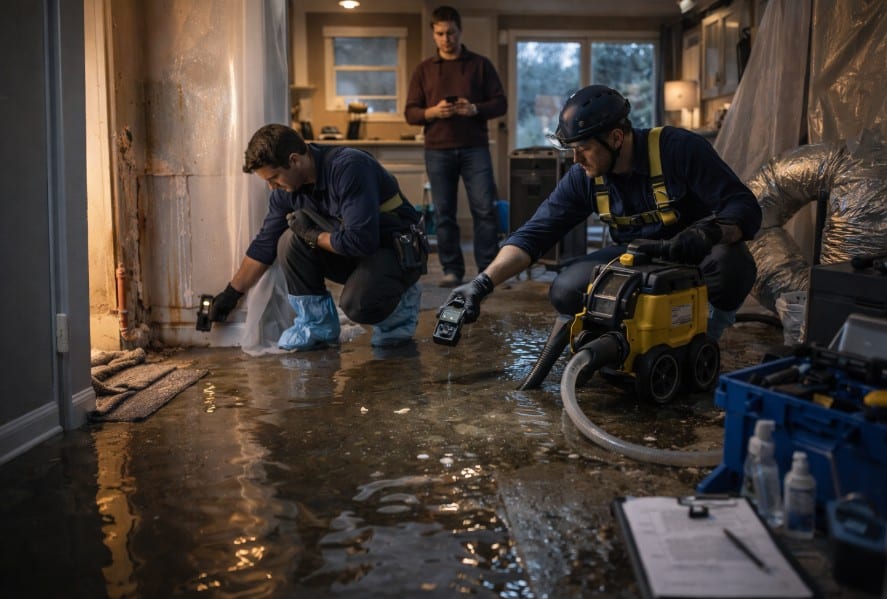
When water strikes, whether from a burst pipe, heavy rain, or a slow roof leak, acting fast is critical. But just as important is choosing the right water restoration company to help you recover. The wrong choice could lead to hidden moisture, mold growth, or even structural damage down the line.
This homeowner-friendly guide walks you through exactly how to evaluate a restoration team, what credentials matter, which red flags to watch out for, and how long-term damage prevention starts with smart plumbing and drainage upgrades. For homeowners also seeking reliable support with everyday issues, exploring trusted plumbing services in Tulsa, OK can provide peace of mind and protection from future emergencies. Whether you’re in the middle of an emergency or preparing ahead, this resource is designed to help you make confident, informed decisions.
Mold Removal Near Me
Why Mold Removal Should Be Part of Every Water Restoration Plan
Water intrusion, whether from a burst pipe, storm flooding, or a roof leak, doesn’t just make a mess. It sets the stage for long-term damage, including one of the most serious threats to your home: mold growth.
Within just 24 to 48 hours, lingering moisture creates the perfect conditions for mold to thrive. That’s why so many homeowners start searching for “mold removal near me” shortly after water damage occurs. But the key to avoiding mold issues altogether is acting early and working with a qualified water restoration company.
In many cases, mold prevention starts even earlier, with accurate leak detection that identifies hidden moisture sources before they become major problems.
Here’s what a full-service water restoration process should include:
- Complete water extraction – Removing all standing water from floors, walls, and crawl spaces
- Advanced drying and dehumidification – Reducing moisture levels below building safety thresholds
- Surface cleaning and sanitization – Eliminating bacteria and mold spores before they take root
Mold doesn’t just damage your home’s structure; it affects your air quality and health. Waiting too long can lead to costly renovations, insurance complications, and serious health risks.
A certified water restoration team doesn’t just dry your home; they proactively help prevent mold, rot, and long-term structural decay. Acting fast with the right help can make all the difference.
Water Restoration Services
What to Look for in Reliable Water Restoration Services
Choosing a trustworthy water restoration company isn’t just about who can show up fast; it’s about who can do the job right from start to finish. Here’s how to evaluate your options with confidence.
1. Industry Certifications and Professional Credentials
Before inviting anyone into your home, verify their certifications. These credentials show the company follows recognized safety and restoration protocols:
- IICRC (Institute of Inspection Cleaning and Restoration Certification): Considered the industry standard for water restoration and mold removal training.
- EPA Lead‑Safe Certification: Essential for working in homes built before 1978 that may contain lead-based paint.
- Oklahoma State Licensing: Ensures the contractor meets all local legal requirements for operating and performing restoration work.
Certified professionals don’t just bring tools; they bring knowledge, compliance, and peace of mind.
2. Emergency Response Time & Availability
Water damage doesn’t follow a 9-to-5 schedule, and neither should your restoration team. Look for companies that provide:
- 24/7 emergency dispatch
- Fast response time estimates
- Clear communication throughout the process
Ask these key questions:
- How quickly can your team arrive on-site?
- What’s your protocol during after-hours emergencies?
- Will I receive real-time updates?
Fast, coordinated action helps minimize property damage and prevent secondary issues like mold.
3. Comprehensive Water Restoration Services
Water emergencies vary in scale and source. A top-tier provider should offer a full spectrum of water restoration services to fully address your needs:
| Service | Why It Matters |
| Water Extraction | Quickly removes standing water from all surfaces |
| Industrial Drying | Helps prevent damage to wood, drywall, and flooring |
| Dehumidification | Controls moisture levels and stops mold growth |
| Sanitization & Odor Removal | Prevents bacteria, mildew, and lingering smells |
| Mold Assessment & Removal | Identifies and treats hidden health hazards |
Working with a provider that covers everything, from cleanup to mold removal, means less hassle, faster results, and a safer home overall.
Certifications
No Certifications? No Deal: Key Warning Signs of Untrustworthy Contractors
When your home is on the line, choosing the wrong contractor can lead to more damage, more stress, and higher costs down the road. Unfortunately, not every provider advertising water restoration services is equipped or qualified to do the job right. Many home improvement scams involve contractors who pressure homeowners, demand upfront payments, or disappear after taking money, leaving homeowners with unfinished work or additional damage.
Here are some key warning signs that a contractor may be unreliable or even predatory:
- No proof of certifications or licenses: If a company can’t provide documentation like IICRC certification or Oklahoma state licensing, it’s a major red flag. These credentials show training, compliance, and accountability. The Better Business Bureau notes that a lack of licensing and accreditation significantly increases the risk of home improvement scams.
- Vague estimates or unusually low pricing: If a quote sounds too good to be true, it usually is. Lowball offers often come with hidden fees or indicate rushed, substandard work. A trustworthy contractor will give a clear, itemized estimate up front.
- High‑pressure sales tactics: Reputable professionals do not push services you don’t need or rush you to sign agreements. Before committing, take time to review written service agreements that clearly outline the scope, timeline, and costs of the work.
- Poor or no online presence: No reviews? No portfolio? No business address? In today’s digital age, this lack of transparency often signals inexperience, or worse, a history of unhappy customers.
A dependable water restoration company will welcome your questions, share credentials proudly, and explain every step of the process in plain terms. Always trust your instincts, and when in doubt, keep looking. Your home and health are worth it.
Emergency Response
Beyond Emergency Response: How to Prevent Repeat Water Damage
Fixing water damage is just the beginning; the real win is making sure it doesn’t happen again. After restoration is complete, it’s essential to assess what caused the issue and take proactive steps to prevent future problems. Many common causes of repeated water damage are surprisingly easy to overlook.
Common Culprits Behind Repeat Water Damage:
- Aging or damaged roofing: Cracks, missing shingles, or worn flashing can let water in, especially during heavy storms.
- Clogged gutters and downspouts: Blocked drainage forces water to back up and overflow, often seeping into siding, walls, or basements.
- Improper grading or yard slope: If your landscaping slopes toward your home, rainwater can pool near the foundation and eventually enter your home.
Simple Steps to Strengthen Your Defenses:
- Schedule seasonal roof inspections to catch small issues before they become major leaks.
- Clean your gutters and downspouts regularly to keep water flowing away from your home.
- Regrade your yard or add French drains where water tends to collect.
- Install or upgrade a backflow prevention system to protect against sewer backups, especially in older homes.
- Book routine drain cleaning to prevent clogs that can turn into backups and floods.
Thinking about larger upgrades? A smart time to address water defense is during bathroom remodels, where updated waterproofing, tilework, and plumbing design can prevent future moisture issues.
And always be prepared. Having an emergency services plan in place helps you respond fast the next time water strikes.
Preventative care is not just good practice, it’s peace of mind. A few smart updates now can save you thousands in future repairs.
In Summary: Make the Right Call After Water Damage
After a water emergency, your choice of restoration company can make all the difference, not just in cleanup, but in preventing long-term problems like mold, rot, and structural damage. Look for certified, experienced professionals who offer fast emergency response, transparent pricing, and a full range of water restoration services.
Avoid companies that can’t provide credentials or give vague estimates. And don’t stop at cleanup, protecting your home means following up with smart preventative maintenance, from roof inspections to drain cleaning and backflow prevention.
If you’re in the Tulsa area and want dependable help you can trust, reach out to us. We’re here 24/7 with expert solutions to restore your home and your peace of mind.
Frequently Asked Questions
1. What Certifications Should a Water Restoration Company Have?
A reputable water restoration company should be able to show verifiable credentials before they ever set foot in your home. Look for these must-have certifications:
- IICRC Certification (Institute of Inspection Cleaning and Restoration Certification): This is the gold standard in the industry, showing the team has been trained in moisture mapping, drying science, mold prevention, and equipment handling.
- EPA Lead‑Safe Certification: Crucial for homes built before 1978, this ensures safe practices when dealing with lead-based materials.
- State or Local Contractor Licensing: Confirms the company is legally authorized to operate in Oklahoma.
Also, ask about insurance and bonding, which protect you from liability in case of accidents or damage during the restoration process. A professional team won’t hesitate to provide proof of these documents.
2. How Quickly Should They Respond After Water Damage?
Speed matters. Mold can begin forming in as little as 24–48 hours, and structural materials like drywall and flooring can degrade quickly. That’s why it’s vital to choose a company that offers:
- 24/7 emergency response
- A defined response timeline (ideally within 1–2 hours of your call)
- Clear communication from the first contact through to final cleanup
Prompt action helps limit damage, reduce restoration costs, and gives you a better chance of salvaging affected materials.
3. Do Water Restoration Companies Also Handle Mold Removal?
Yes, many do. Mold often appears as a secondary problem after water damage, especially when moisture seeps into walls, subfloors, or insulation. Professional companies typically offer:
- Mold assessment and testing
- Containment and removal of mold-affected materials
- Sanitization and prevention plans
If you’ve been searching “mold removal near me”, make sure your restoration team either handles mold directly or works closely with certified specialists.
4. What’s the Typical Cost Range for Water Restoration Services?
There’s no one-size-fits-all number, as pricing depends on factors like:
- The severity and source of the water damage
- The square footage of affected areas
- The services required, such as extraction, dehumidification, mold remediation, or reconstruction
As a rough guide:
- Minor water extraction & drying: $1,000–$3,000
- Moderate damage with mold cleanup: $3,000–$8,000
- Major restoration (structural rebuilds): $10,000+
Always request a detailed, itemized estimate. Avoid any company that gives vague quotes or pushes upsells without justification. Transparent pricing is a sign of a trustworthy partner.