
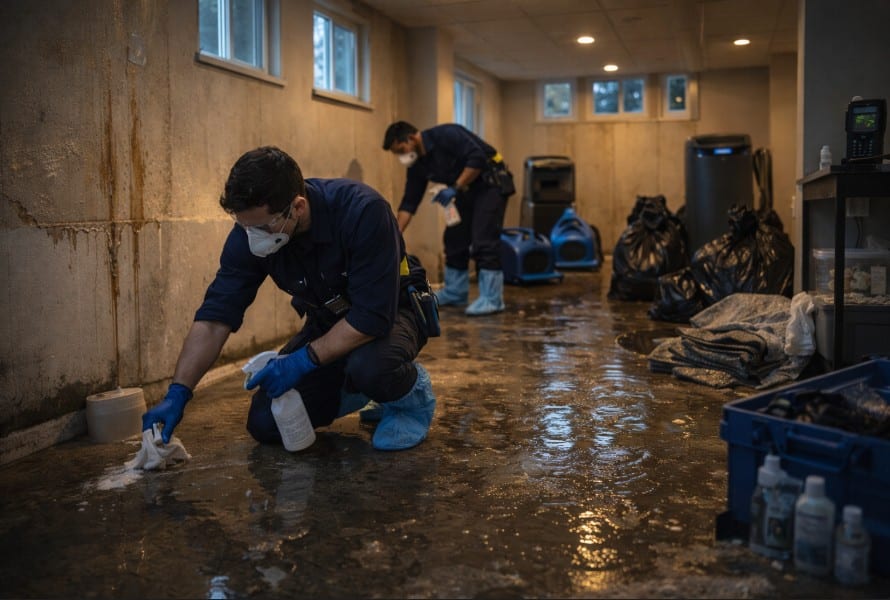
Essential Actions for Safety, Cleanup, and Long‑Term Prevention
A flooded basement is more than an inconvenience; it’s a potential disaster waiting to escalate. Beyond the immediate mess, water damage can compromise your home’s foundation, destroy valuables, and create the perfect breeding ground for mold and bacteria. According to national data, nearly 98% of basements in the U.S. will experience water damage at some point, and it remains one of the top reasons for costly homeowners’ insurance claims.
Whether caused by a heavy downpour, burst pipe, or poor foundation drainage, flooding requires fast, informed action. This step-by-step guide walks you through every critical phase of flooded basement cleanup, from first response safety measures to long-term solutions like sump pump maintenance and moisture mapping.
If you’re already dealing with water damage, or want to prevent it, it’s worth exploring professional plumbing services in Tulsa, OK, to ensure your home is fully protected. If you’re facing more water than you can handle, or you’re unsure where to start, don’t go it alone. Contact us, Tulsa’s trusted experts in water damage mitigation, for fast, reliable help to restore your basement and protect your home for good.
1. Why Fast Flooded Basement Cleanup Matters
Basement flooding isn’t just a nuisance; it’s a threat to your home’s structure and your family’s safety. When water seeps into your basement, the damage begins almost immediately and can get worse fast. Here’s what you’re up against:
- Foundation and structural damage: Water can weaken concrete, rot wood framing, and compromise load-bearing walls.
- Electrical and slip hazards: Floodwater may reach wiring or appliances, creating a serious risk of shock or fire.
- Mold and mildew growth: Mold can begin to grow in as little as 24 to 48 hours, turning damp areas into health hazards.
The longer water sits, the more extensive and expensive the damage becomes. Cleanup costs can skyrocket if mold remediation, structural repairs, or total floor replacements are needed.
That’s why every minute counts. Fast flooded basement cleanup not only limits immediate dangers but also helps protect your insurance claim and restore your peace of mind.
Emergency Drain Service
2. First Steps After a Flood: When to Call for Emergency Drain Service
The moment you spot water pooling in your basement, time and safety are critical. Here’s what to do first:
Immediate Safety Actions
- Turn off the electricity at your main breaker, but only if it’s safe to access. If the panel is in a flooded area, wait for professionals.
- Avoid walking through standing water, especially if electrical appliances or outlets may be submerged.
- Keep children and pets away from the basement to avoid injury or contamination.
Know When to Call for Emergency Help
If the flooding is caused by a sewer backup, burst pipe, or severe storm overflow, it’s time to call for an emergency drain service. These situations can quickly overwhelm DIY tools and lead to further damage if not addressed by professionals with the right equipment.
Also be on high alert for:
- The smell of gas or visible signs of gas line damage
- Sewage odors or visible waste in the water
- Water rising rapidly despite your efforts to remove it
If any of these apply, leave the area immediately and call emergency services or plumbing professionals trained to handle hazardous conditions.
For fast, expert help in Tulsa, We offer trusted 24/7 emergency services to tackle severe water damage and drain issues before they get worse.
3. Safety First: Electrical, Structural, and Health Risks
Floodwater might look harmless, but it often hides serious threats. Before diving into cleanup, it’s essential to understand the risks involved, both to your home and your health.
Hidden Dangers of Flooded Basements
- Electrical hazards: Even a small amount of water can become dangerous if it contacts live wiring or appliances. Avoid wading into water until the power is shut off at the main breaker.
- Structural instability: Prolonged moisture can weaken drywall, wood framing, and flooring, increasing the risk of collapse or costly repairs.
- Health risks: Floodwater may carry sewage, bacteria, or chemicals, and it creates the ideal environment for mold spores to spread rapidly.
To protect yourself:
- Wear rubber boots, gloves, and eye protection
- Use an N95 mask or respirator if mold is suspected
- Never attempt repairs in unsafe conditions. When in doubt, call a professional
The Centers for Disease Control and Prevention (CDC) provides detailed guidelines on mold cleanup and flood safety to help homeowners reduce exposure risks during recovery.
Staying safe during flooded basement cleanup isn’t just about being cautious; it’s about ensuring your home can be restored without adding new problems. If conditions look unsafe or overwhelming, reach out to us for expert, hazard-aware support.
Sump Pump Repair
4. Water Extraction Tips and When to Consider Sump Pump Repair
Once it’s safe to enter your basement, the priority is clear: remove standing water fast. The longer water sits, the more likely it is to cause mold, rot, or structural damage.
Tools for Water Removal
- Submersible pumps are ideal for removing large volumes of water quickly, especially during severe flooding.
- Wet/dry vacuums can handle smaller areas and help extract water from low spots, carpeting, or around furniture.
- Mops, buckets, and towels may be needed for tight spaces or final touches once the major water is gone.
Check Your Sump Pump
If your basement relies on a sump pump and it failed during the flood, it’s time to inspect it:
- Is it turning on but not pumping water?
- Is there visible debris clogging the pump or discharge line?
- Does it cycle continuously or make strange noises?
These could be signs that sump pump repair is urgently needed, or that it’s time to replace the unit altogether. A malfunctioning sump pump is one of the leading causes of repeat basement flooding.
If your pump system includes a backup battery, check that it’s functional and charged. Regular maintenance of your sump pump could be the difference between a minor inconvenience and a major cleanup.
Need help assessing your pump or tackling the water? Contact us; we handle emergency extractions, sump pump repairs, and full basement flood responses in Tulsa and nearby areas.
Structural Drying
5. Structural Drying: Preventing Mold and Rot
Just because your basement looks dry doesn’t mean it is dry. After water extraction, the next crucial step in flooded basement cleanup is structural drying, targeting the hidden moisture that seeps deep into walls, subfloors, insulation, and even furniture.
Left untreated, this trapped moisture can lead to:
- Mold growth behind walls or under flooring
- Rotting wood framing and compromised support structures
- A lingering musty odor and unsafe air quality
How Structural Drying Works
Professional water damage teams use a combination of specialized tools to remove moisture where you can’t see it:
- High-powered air movers increase air circulation to evaporate moisture trapped in surfaces.
- Commercial dehumidifiers pull humidity from the air, speeding up the drying process and stabilizing indoor conditions.
- Moisture mapping uses infrared cameras and moisture meters to detect and track damp areas behind walls or beneath floors.
- Moisture meters are used throughout the process to confirm all affected materials are completely dry before repairs begin.
Why Moisture Mapping Matters
Moisture mapping is especially critical because it helps identify areas that may look dry on the surface but still hold moisture inside. Without it, you risk leaving behind pockets of water that can lead to mold growth weeks or even months later.
In some cases, severe moisture damage may even reveal the need for plumbing upgrades or full repiping to prevent future leaks and hidden water issues.
If you’re unsure whether your basement is truly dry, or need help with the drying process, We offer expert moisture mapping and drying services to restore your home thoroughly and safely.
6. Cleaning and Sanitizing Basement Surfaces
Once the standing water is removed and structural drying is underway, it’s time to clean and sanitize the basement. This phase is essential to protect your health and ensure the space is truly safe for future use.
Floodwater often contains bacteria, chemicals, and other contaminants that can linger long after the water is gone, so surface cleanup isn’t optional; it’s critical.
How to Clean and Sanitize Effectively
Follow these steps for a safe and thorough cleanup:
- Disinfect all surfaces, including concrete floors, walls, baseboards, and fixtures. A mix of water and bleach (1 cup bleach per gallon of water) is often recommended for non-porous surfaces, but be sure to ventilate the space.
- Remove porous materials like wet drywall, insulation, carpeting, and particle board furniture. These materials absorb water and are very difficult to sanitize completely.
- Sort and sanitize personal items: Clean hard, non-porous items with disinfectant. Items like upholstered furniture, mattresses, and paper goods may need to be discarded if severely damaged.
The Indoor Environmental Research Institute recommends thorough drying and sanitation as the most effective way to reduce mold risks and protect indoor air quality.
Proper cleanup not only reduces long-term health risks but also cuts down on final repair costs. If you’re unsure how to clean safely or need help disposing of damaged materials, the pros at us can guide you through every step.
Moisture Mapping
7. Stop Water Damage Before It Starts: Moisture Mapping Tips That Work
After you’ve dealt with the mess of a flooded basement, the next smart move is to ensure it never happens again. The good news? With the right systems and strategies in place, you can drastically reduce your risk of repeat water damage.
Here are proven prevention methods that go beyond just basic cleanup:
1. Install or Maintain a Sump Pump with Battery Backup
Your sump pump is the first line of defense during heavy rain or plumbing issues. Make sure:
It’s tested regularly (every 3–4 months)
The discharge line is clear and free-flowing
A battery backup is in place to keep it working during power outages
Need help? We offer reliable sump pump repair and installation services to keep your system flood-ready.
2. Improve Yard Drainage
Flooding often starts outside. Poor yard grading allows water to pool around your home’s foundation. Consider:
Regrading your landscaping to slope water away
Installing French drains or other ground-level water diversion tools
3. Use Moisture Mapping for Seasonal Inspections
Moisture mapping isn’t just for post-flood cleanup. It can also be a proactive tool for spotting potential leaks or humidity issues before they become major problems. Seasonal checkups using this method help ensure your basement stays dry, even in high-risk seasons.
4. Add Smart Flood Sensors
Modern technology makes prevention easier than ever. Install smart flood detectors in your basement that alert you via smartphone at the first sign of water. These can buy you precious time to respond.
5. Address Small Leaks Early
A tiny leak today can cause a flood tomorrow. Schedule routine leak detection services to catch pipe cracks, slab leaks, or faulty connections before they escalate.
Taking action now protects your home, your health, and your wallet, and prevents yet another round of flooded basement cleanup. Let us help you set up a reliable prevention plan tailored to your home.
8. When to Hire a Professional
While minor basement water issues can sometimes be handled with DIY methods, larger or more hazardous situations call for expert help. Knowing when to bring in a licensed professional can save you time, money, and stress, and it can prevent long-term damage that’s harder and more expensive to fix later.
Call in the Pros if You Notice:
- Water covering a large area or rising rapidly
- Sewage backup, which can pose serious health hazards
- Visible structural damage, such as bowed walls, cracked foundations, or warped flooring
- Mold growth or strong odors, which may signal hidden moisture behind walls or under flooring
What the Experts Bring to the Table
Professional water restoration companies like us offer:
- Industrial-grade drying systems, including air movers, commercial dehumidifiers, and HEPA filters
- Moisture mapping and structural assessments to locate hidden water and avoid future mold
- Tailored cleanup plans that follow industry standards for health and safety
- Help with insurance documentation, which can speed up claims and reduce out-of-pocket costs
In addition to residential flood recovery, many professionals also offer specialized commercial services to support businesses dealing with water damage and plumbing emergencies.
If you’re unsure whether you can handle the damage alone or if the cleanup feels overwhelming, it’s always safer to consult with a professional. The right team can restore your basement faster, safer, and more thoroughly than any DIY approach.
In Summary: Act Fast, Stay Safe, and Prevent the Next Flood
Cleaning up a flooded basement isn’t just about mopping up water; it’s about protecting your home, your health, and your future. Acting quickly reduces the risk of mold, rot, and major structural issues. By following the right steps, from emergency shutoffs to moisture mapping and long-term prevention, you can recover faster and safeguard your home against the next storm or leak.
And if the damage feels overwhelming or unsafe to handle alone, don’t wait, contact us. We’re here to help Tulsa homeowners with everything from sump pump repair and emergency drain service to full-service water restoration and ongoing protection. Let us do the heavy lifting, so you can get back to normal with confidence.
Frequently Asked Questions (FAQs)
1. How fast does mold grow after a flooded basement?
Mold growth can begin in as little as 24 to 48 hours after flooding, especially on materials like wood, insulation, and drywall. Once mold spores take hold, they can spread quickly and release allergens or toxins into the air. This is why immediate water extraction and structural drying are crucial steps in the flooded basement cleanup process. If you’ve experienced a flood, don’t delay; act fast to minimize both damage and health risks.
2. What is moisture mapping, and why is it important?
Moisture mapping is a professional technique that uses specialized tools like thermal imaging cameras and moisture meters to detect hidden dampness inside walls, floors, and other structural components. Even after visible water is removed, moisture may linger in materials and lead to mold growth or rot. Moisture mapping ensures all affected areas are identified and thoroughly dried, which is key to a successful restoration. It’s also a valuable tool for seasonal home inspections to prevent future water damage.
3. Does homeowners’ insurance cover flooded basement cleanup?
That depends on the source of the water. Most standard homeowners’ insurance policies will cover sudden and accidental events like a burst pipe or failed appliance. However, they often exclude flood damage caused by storms or rising groundwater unless you carry a separate flood insurance policy. Sewer backups are also not always covered unless you’ve added specific riders. It’s best to check your individual policy and speak with your agent about what’s protected.
4. How can I prevent my basement from flooding again?
Flood prevention starts with a few smart steps:
- Maintain your sump pump, and install a battery backup
- Use moisture mapping to detect problem areas early
- Improve yard grading and install French drains
- Add smart flood sensors to detect water quickly
- Schedule hydro jetting to keep your drains and pipes clear and flowing properly
By combining proactive maintenance and modern tools, you can reduce the risk of another costly basement flood and enjoy greater peace of mind. For help designing a prevention plan, contact us for expert guidance tailored to your home.