
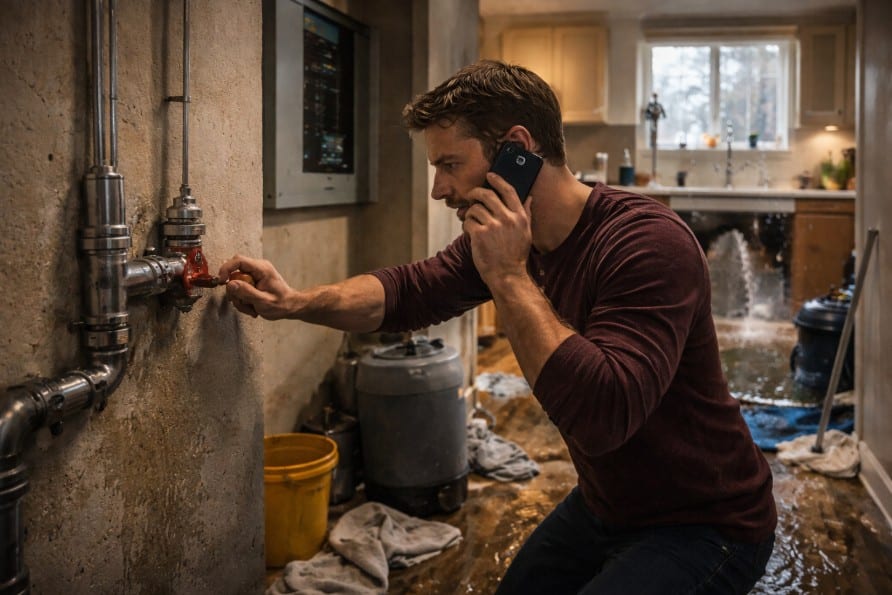
Plumbing emergencies can strike without warning, whether it’s a burst pipe, an overflowing toilet, or water gushing through your ceiling. In these moments, what you do next can make a big difference. Acting fast can help prevent costly water damage, protect your home, and speed up the recovery process. This step-by-step guide will show you exactly how to respond before your emergency plumber arrives, starting with how to locate your water shutoff valve and what to expect once a technician is on-site. If you’re currently searching for trusted plumbing services in Tulsa, OK, don’t wait, call us right now for fast, reliable help throughout Tulsa and the surrounding areas.
Emergency Plumber
What Counts as a Plumbing Emergency?
It’s not always easy to tell which plumbing issues can wait, and which need immediate action. As a rule of thumb, anything that threatens to damage your home, disrupt daily life, or pose a health risk should be treated as a plumbing emergency.
Call an emergency plumber right away if you experience:
- Burst pipes that are spraying water or causing sudden flooding
- Sewage backups coming from drains or toilets
- Severe leaks that you can’t contain with towels or buckets
- Complete loss of water service to your home
- Overflowing fixtures that won’t stop despite your efforts
These problems can escalate fast, especially in Tulsa’s variable climate, where temperature drops or heavy rains can strain older plumbing systems. Left unaddressed, they can damage drywall, flooring, cabinetry, and even the home’s electrical wiring. Mold growth is also a concern if standing water isn’t quickly removed.
If you’re ever unsure, it’s better to contact a plumber who specializes in emergency services to get a professional opinion rather than delay and risk extensive repairs later. We are available day or night to assess and resolve urgent plumbing issues throughout Tulsa and the surrounding areas.
Mitigation Steps
Immediate Mitigation Steps Before the Emergency Plumber Arrives
When plumbing disasters hit, the first few minutes are crucial. Taking the right steps before your emergency plumber gets there can make a huge difference in protecting your home, minimizing water damage, and making the insurance claims process smoother. Here’s a step-by-step homeowner-friendly guide to handling a plumbing emergency with confidence:
1. Locate and Shut Off the Main Water Valve (Know Your Water Shutoff)
This is your most powerful defense. Quickly turning off the main water supply will stop the flow of water into your home and can prevent further flooding. The water shutoff valve is typically found in a basement, crawl space, utility room, or outside near the foundation. Turn the valve clockwise until it stops to fully cut the supply. Every household member should know where this valve is located, and practice how to turn it off.
2. Turn Off the Water Heater
If your plumbing issue involves a hot water line or if you’ve shut off the main water, it’s important to turn off the water heater next. This prevents pressure buildup and protects your tank from damage. For gas heaters, switch to the “pilot” setting. For electric models, shut off power at the breaker panel.
3. Open Indoor Faucets to Relieve Pressure
Once the water is off, open a few cold and hot water faucets throughout your home. This helps drain remaining water from the pipes, releases pressure, and may prevent additional leaks or pipe bursts while you wait for your plumber.
4. Contain the Water as Best You Can
Try to stop water from spreading by using towels, blankets, buckets, or a wet/dry vacuum. Focus on keeping it away from hardwood floors, carpeted areas, electrical components, and valuables. The sooner you act, the less you’ll have to deal with in terms of mold or structural damage.
5. Take Photos or Videos for Insurance Documentation
Don’t skip this step. Before you mop anything up, take clear photos and videos of the damage. Be sure to capture affected walls, flooring, personal belongings, and any visible leaks. Insurance providers often ask for evidence of the issue and how quickly you responded, especially steps like using the water shutoff.
6. Ensure Electrical Safety
If water is pooling near outlets, appliances, or your breaker box, avoid the area entirely. If safe and dry access is possible, turn off electricity to the impacted rooms at your panel. Never touch water near live electrical sources, always err on the side of caution.
And if the issue stemmed from a clogged or overflowing drain, it may be time to consider professional drain cleaning services to prevent future backups and blockages before they turn into emergencies.
Quick Emergency Plumbing Checklist (Printable/Screenshot-Friendly):
- Locate and turn off the main water shutoff
- Turn off the water heater (gas or electric)
- Open faucets to release pressure
- Contain water using towels, buckets, or a wet/dry vac
- Move valuables out of affected areas
- Take photos and videos of damage
- Call your trusted 24 hour plumber
24 Hour Plumber
When to Call a 24 Hour Plumber
Not all plumbing problems require immediate service, but some demand urgent attention to prevent severe damage, health hazards, or costly repairs. That’s when a 24-hour plumber becomes essential.
Here’s a quick guide to help you decide when to call for emergency plumbing services, and when you can safely wait for regular hours:
| Emergency Situation | Call a 24 Hour Plumber? | Why It Matters |
| Burst pipe causing active flooding | ✅ Yes | Water can spread quickly, damaging floors, walls, and belongings. Shut off your water immediately and call right away. |
| Sewage backup | ✅ Yes | Sewage poses serious health risks and should be handled immediately by professionals. |
| Overflowing toilet that won’t stop | ✅ Yes | If you can’t control the overflow, call immediately to avoid water damage and contamination. |
| Slow or minor leak | 🚫 Usually not | A slow drip under a sink or faucet can often wait, but still schedule a visit soon to avoid worsening issues. |
| Minor faucet leak or drip | 🚫 Can wait | A slow drip under a sink or faucet can often wait, but it’s wise to schedule leak detection soon to prevent hidden water damage or rising utility bills. |
Still unsure? When in doubt, it’s always safer to call. We can quickly assess your situation, help you determine if it’s a true emergency, and dispatch a technician if necessary. It’s better to get peace of mind than risk preventable damage.
Need help now? Don’t wait, contact us for expert advice and fast, reliable emergency plumbing services in the Tulsa area.
What To Expect from Emergency Plumbing Services
When you call in an emergency plumber, knowing what to expect can help ease some of the stress. Here’s how the process typically unfolds and what it means for you as a homeowner:
1. Fast Response Window
A 24-hour plumber will aim to reach your location as quickly as possible, usually within an hour, depending on traffic, call volume, and the urgency of the situation. We prioritize true emergencies, especially those involving flooding or sewage backup.
2. On-Site Inspection and Diagnosis
Once on-site, the technician will begin by assessing the situation. They use advanced tools like moisture meters, thermal imaging cameras, and even acoustic sensors to locate leaks, especially if the source isn’t visible. Early leak detection and response can prevent significant water loss and damage, saving thousands of gallons of water per year.
3. Emergency Mitigation
To stop the immediate threat, plumbers will implement quick fixes like pipe clamps, temporary seals, or isolating specific sections of the plumbing. These mitigation steps help minimize water damage until full repairs can be made.
4. Repair or Replacement
Depending on the severity of the damage, your plumber may perform on-the-spot repairs or schedule follow-up work. This could include replacing burst pipes, fixing faulty connections, or recommending a full repiping if the system is aging or compromised.
5. Expert Recommendations
Your technician will also advise you on ways to prevent future emergencies. This may include installing water softeners to extend pipe life, adding leak detection systems, or even upgrading to a smart water shutoff valve that automatically stops water flow in emergencies.
6. Cleanup and Restoration Coordination
While emergency plumbers aren’t full-scale restoration contractors, a reputable company like us will tidy up the workspace and may refer you to a trusted restoration partner if significant water damage occurred.
Bottom line: Emergency plumbing services are about much more than stopping a leak; they’re about safeguarding your home and preventing repeat problems down the line. Don’t hesitate to ask questions, and always follow through on recommended maintenance for long-term peace of mind.
Restoration After Emergency Plumbing Repairs
Once your emergency plumbing issue has been addressed, whether it was a burst pipe, sewage backup, or major leak, the next crucial step is restoring your home safely and thoroughly. Just because the water has stopped doesn’t mean the danger is over.
Here’s what you should do next:
- Begin Dry-Out Immediately: Use fans, open windows (if weather permits), and run dehumidifiers to remove lingering moisture from walls, floors, and air. This step is essential to prevent rot and costly structural damage.
- Watch for Mold Growth: Mold can begin to develop within 24 to 48 hours of water exposure, especially in dark, poorly ventilated areas. Check under sinks, behind walls, and near baseboards for musty smells or discoloration.
- Consider Professional Cleanup Services: If your home experienced significant flooding or sewage exposure, DIY cleanup isn’t enough. Companies that specialize in residential and commercial services use industrial-grade drying equipment and EPA-approved disinfectants to sanitize affected areas and prevent long-term issues.
- Document the Process: Take photos and keep receipts from any equipment rentals or cleanup services. These records can help with insurance claims and verify that proper post-emergency restoration was completed.
Remember, the early mitigation steps you took, like shutting off water, removing soaked items, and documenting damage, play a huge role in how smoothly the restoration process goes. Acting quickly helps reduce total damage and cost, and it shortens your road to recovery.
If you’re unsure whether you need professional restoration or you’re still dealing with leaks, don’t hesitate to contact us. Their team can guide you on the next best steps for your specific situation.
Water Shutoff
Don’t Panic! Use This Water Shutoff Guide Before Emergency Plumbing Services Arrive
Knowing where your water shutoff valve is—and how to use it—can make the difference between a minor inconvenience and a major disaster. If you haven’t already located your main water shutoff valve, now is the time. It’s usually found near the water meter, basement, crawl space, or where the main line enters your home. Practice turning it off so you’re confident in an emergency.
Once the immediate crisis is under control, here’s how you can prevent future plumbing emergencies before they start:
- Schedule routine plumbing inspections with a licensed pro like us. A yearly check-up can catch small leaks, corrosion, or failing pipes before they lead to bigger problems.
- Winterize your plumbing system. In Tulsa, cold snaps can lead to frozen pipes—one of the most common causes of burst plumbing. Insulation and monitoring are essential to keeping pipes safe when temperatures drop.
- Install smart leak detection devices. These systems send alerts to your phone at the first sign of a leak—some even shut off the water automatically, giving you peace of mind whether you’re home or away.
- Consider professional leak detection services. Not all leaks are visible. A pro can use specialized equipment to find hidden issues behind walls or under floors, helping you stop damage before it starts.
Whether you’re reacting to a crisis or planning, taking control of your water shutoff strategy is a powerful first step in protecting your home. And when you need help, Maston’s Plumbing and Drain is just a call away.
Ready for Help?
We know plumbing emergencies can be overwhelming, whether it’s a burst pipe, a major leak, or an unexpected sewage backup. But you don’t have to handle it alone. Acting quickly and contacting a trusted local expert makes all the difference in minimizing damage and protecting your home.
Our Tulsa-based team is available day or night with reliable, professional emergency plumbing services. We’ll walk you through what to do on the phone, arrive prepared, and work efficiently to stop the problem at its source. If you’ve already used your water shutoff valve or followed the steps in this guide, you’ve done the right thing. Now, let us take it from here.
Call us now to get fast help from plumbers who care about your home as much as you do.
Frequently Asked Questions
When should I shut off my water?
You should shut off your main water valve immediately if you notice any of the following: water flooding into your home, a burst pipe, a leaking ceiling, or a fixture that won’t stop running. The water shutoff step is the most effective way to stop additional damage before an emergency plumber arrives. Knowing where your shutoff valve is located, usually near your water meter, in the basement, or along an exterior wall, can save you thousands in water damage.
Is a slow leak considered an emergency?
In most cases, a slow leak isn’t an immediate emergency. However, it can still lead to long-term water damage, mold growth, and higher utility bills if ignored. If you see signs of moisture on walls, hear dripping behind fixtures, or suspect pipe corrosion, it’s best to schedule a professional inspection. We can assess whether that small leak is a symptom of a bigger issue, like failing pipe joints or poor water pressure regulation.
How fast can an emergency plumber arrive at my home?
Emergency plumbing response times typically range from 30 to 60 minutes, depending on location, time of day, and weather conditions. We prioritize rapid response throughout Tulsa and nearby communities, especially for urgent calls like flooding or sewage backups. For the fastest service, it helps to call as soon as you spot a problem.
What information should I give when calling for emergency plumbing services?
To help the plumber assess and prepare for your situation, be ready to share the following:
- A brief description of the issue (e.g., “water gushing from a broken pipe under the sink”)
- Whether you’ve performed a water shutoff
- Where the issue is located in your home
- Any safety concerns (e.g., water near electrical outlets)
- Access details (gate codes, pets, locked areas, etc.)
Clear communication helps us bring the right tools and parts, and speeds up your repair.