
Protect Your Family from Hidden Plumbing Dangers
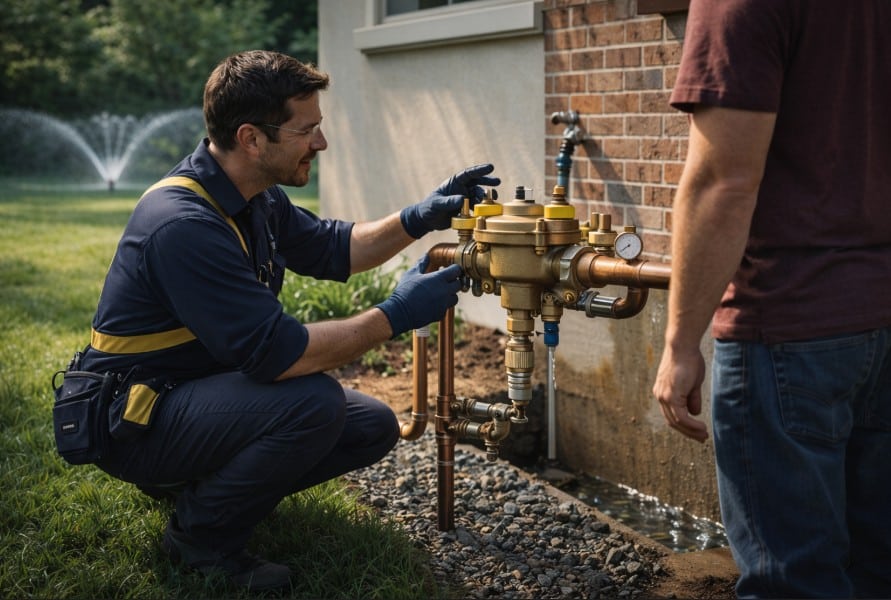
Most homeowners never expect to find dirty or contaminated water coming from their faucet, but it happens more often than you might think. When water flows in the wrong direction inside your plumbing system, known as backflow, it can carry harmful bacteria, chemicals, or debris directly into your drinking water. This isn’t just a plumbing issue; it’s a serious health risk.
That’s why installing a backflow preventer is one of the smartest decisions you can make for your home. These devices are designed to stop contaminated water from ever re-entering your clean water supply. Whether it’s caused by a sudden drop in pressure, a damaged pipe, or an outdoor irrigation system malfunction, a backflow preventer helps keep your household safe.
In this guide, we’ll break down:
- What backflow is and how it happens
- Why backflow is dangerous, and how to spot the risks
- How backflow preventers work to protect your plumbing
- Signs your system might need one, especially if you’ve had plumbing leak detection, drain repair, or pressure issues
- Plus, expert tips on maintaining your overall system health
Whether you’re building, remodeling, or maintaining an older home, water contamination prevention should always be a priority. For full protection and ongoing maintenance, consider partnering with local experts who specialize in plumbing services in Tulsa, OK. If you’re ready for peace of mind, contact us, the go-to backflow prevention specialists in Tulsa, OK. Their experienced team helps local homeowners stay compliant, confident, and safe.
1. What Is a Backflow Preventer?
A backflow preventer is a plumbing device designed to stop water from flowing backward into your clean water supply. In a normal system, water flows from the main municipal line into your home’s plumbing. Backflow happens when conditions change, like sudden pressure drops, and water is pushed back, carrying possible contaminants with it.
In residential settings, backflow preventers are often installed at vulnerable points such as outdoor irrigation systems or near water heaters and boilers. Their purpose is to keep your drinking, cooking, and bathing water safe from contaminants.
Some options include:
- Check valves
- Reduced pressure zone assemblies
- Air gaps (simple but highly effective)
These devices vary in complexity and cost, but they share the same goal: protecting water quality.
For a clear explanation of how backflow happens and why prevention is critical, explore this overview on cross-connection control and backflow prevention. It’s a great resource for understanding water safety risks at home.
For a visual explanation, many homeowners find diagrams and short videos helpful to grasp how water can reverse, so consider searching for “how backflow works” by trusted plumbing associations.
Water Contamination
2. Water Contamination Risks: How Backflow Happens and What to Do
Most people assume the water coming from their tap is clean and safe, and it usually is. But when backflow occurs, that clean water can become contaminated in an instant.
What Causes Backflow?
Backflow is the reverse flow of water, where used or polluted water is unintentionally pulled back into your clean water supply. It typically happens when a sudden drop in pressure disrupts the normal flow. Here are the two most common causes:
- Siphoning: Occurs when water is drawn out faster than it can be replaced, creating a vacuum effect. This can happen when using large irrigation systems or when multiple fixtures are running simultaneously.
- Negative Pressure: Happens during city-wide events like a water main break, nearby construction, or even firefighting efforts. These pressure changes can force contaminated water from outside systems back into your home’s plumbing.
Sources of Contamination
When backflow happens, the risk goes beyond just cloudy water. Polluted water from the following sources can enter your pipes:
- Garden hoses submerged in pools or chemical containers
- Lawn irrigation systems carrying fertilizers or pesticides
- Boilers or water heaters containing rust, sediment, or antifreeze
- Sewer backups or gray water from appliances
Why This Matters for Your Health
Backflow can introduce a wide range of contaminants, including:
- Bacteria and pathogens (e.g., E. coli, Salmonella)
- Chemical pollutants from lawn treatments or industrial runoff
- Sediment and heavy metals that affect taste and safety
Public health departments often issue boil water advisories or warnings when backflow risks are detected, especially after mainline breaks. But inside your home, you may not get that warning in time unless your plumbing is properly protected.
That’s why installing a backflow preventer is not just about plumbing compliance; it’s a vital step in protecting your family’s water supply from unexpected contamination events. If you’ve experienced low pressure, recent construction nearby, or suspect any plumbing issues, now is the time to schedule a professional evaluation.
Pressure Control
3. How Pressure Control Protects Your Home’s Water Supply
When it comes to water safety, pressure control is everything. Your plumbing system depends on a steady, regulated flow of water from the city supply into your home. But when that balance is disrupted, whether from high usage, a broken pipe, or maintenance work, contaminated water can reverse direction and seep into your clean water lines.
That’s where a backflow preventer becomes essential. These devices are engineered to stop reverse flow and maintain proper system pressure, ensuring your drinking water stays clean and uncontaminated.
How Do Backflow Preventers Maintain Pressure Control?
Most backflow preventers rely on simple yet effective mechanisms, such as:
- One-way valves that close automatically when the flow reverses
- Air gaps that provide a physical space where contaminated water can’t reach your supply
- Pressure relief zones that discharge excess pressure and stop siphoning
By doing so, they protect your water from backflow events caused by pressure loss, like during a water main break or a neighborhood firefighting effort.
Types of Backflow Preventers (With Cost and Use Case)
Here’s a helpful comparison table to understand the different options:
| Type | Best For | How It Works | Average Cost |
| Check Valve | Basic residential systems | One-way valve allows flow in only one direction | $50–$200 |
| Double Check Valve | Moderate-risk homes with irrigation or external systems | Dual valves provide backup safety | $150–$400 |
| Reduced Pressure Zone Assembly (RPZ) | High-risk setups like large irrigation systems or chemical exposure | Advanced pressure monitoring and relief chambers | $300–$800+ |
Each device is designed to match specific risk levels, from simple hose bibs to high-pressure commercial services that demand advanced protection. Your plumber can recommend the right type based on your home’s layout, water usage, and exposure risk.
The bottom line? All these devices serve one purpose: keeping your water supply clean, no matter what’s happening elsewhere in the system.
If you’re unsure what type of backflow protection your home needs, or if you’ve had issues with low pressure or recent plumbing work, contact us for a professional assessment. They’ll help you choose the right equipment and ensure your system is fully protected.
Drain Repair
4. Drain Repair & Water Quality: Signs You Need a Backflow Preventer
Not all backflow events are dramatic or obvious. In fact, many happen silently, with subtle signs that can easily go unnoticed until a larger problem emerges. That’s why it’s important to recognize the early indicators that your plumbing system might be vulnerable.
Plumbing and Pressure Red Flags
If your home has experienced any of the following, it could be a sign that your water system lacks sufficient protection or pressure control:
- Unexplained drops in water pressure, especially during peak use (e.g., showering while running a dishwasher)
- Recurring plumbing issues revealed through professional plumbing leak detection, such as pressure imbalances or hidden leaks
- Slow drains or frequent backups, which may point to larger valve or system pressure problems requiring drain repair
While these issues might seem minor, they can indicate that water flow is inconsistent, which increases the risk of contaminated water reversing into your clean supply.
Water Quality Concerns
Equally important are the signs related to your tap water itself. Be alert to:
- Discoloration or unusual smells, especially after a storm, water line maintenance, or nearby construction
- Strange or metallic tastes that show up after irrigation or outdoor water use
These can suggest that outside water, possibly carrying contaminants, is seeping back into your supply.
5. Installation and Maintenance Tips
While some plumbing upgrades can be tackled by handy homeowners, backflow preventers are not DIY projects. These devices must be correctly installed, calibrated, and tested to ensure they work as intended and meet local safety regulations. A licensed plumber will know where to place the device, how to maintain optimal water pressure, and how to certify the system with the city if required.
Why Professional Installation Matters
Incorrect installation can lead to system failure or even water contamination. A certified plumber ensures:
- Proper alignment with your home’s plumbing system
- Correct device type for your risk level (e.g., irrigation vs. boiler)
- Testing after installation to verify functionality
- Compliance with Tulsa’s plumbing codes and documentation for inspections
Backflow Preventer Maintenance Best Practices
- Schedule Annual Inspections
Even if your system seems fine, backflow preventers can wear down or clog over time. Routine testing confirms they’re still protecting your water. - Replace Worn Components Quickly
Seals, springs, and valves are under constant pressure. Replacing aging parts early prevents failure during emergencies or pressure shifts. - Work with Certified Professionals
Always choose a licensed plumber familiar with local regulations and certified in backflow testing. They can provide proper documentation if your neighborhood or water utility requires it.
By keeping up with inspections and repairs, you’ll not only extend the lifespan of your backflow device but also ensure ongoing protection against water contamination. For trusted installation, annual maintenance, and backflow testing in Tulsa, reach out to us, your local experts in complete water safety.
Plumbing Leak Detection
6. Plumbing Leak Detection and Backflow Safety: A Smarter Way to Protect Your Home
Installing a backflow preventer is an excellent step toward keeping your water supply clean, but it shouldn’t be your only line of defense. For the best long-term results, homeowners should consider it part of a broader plumbing safety strategy.
Think of your plumbing system like a living network. Even small issues can escalate quickly if left unaddressed. That’s why pairing your backflow prevention system with regular maintenance and upgrades is key to protecting your home.
Smart Plumbing Strategies That Support Backflow Safety
- Routine Plumbing Leak Detection
Hidden leaks can create pressure drops that make backflow more likely. Proactive leak detection helps you spot trouble before it affects your water quality. - Scheduled Drain Cleaning
Clogged or slow drains can cause pressure imbalances that lead to backups or mask deeper system problems. Keeping your lines clear is essential for full-system health. - Water Quality Improvements
Installing water softeners reduces mineral buildup and protects your valves and fixtures from wear that can impact flow and safety. - Smart Upgrades During Bathroom Remodels
If you’re planning bathroom remodels, it’s the perfect time to reassess your pressure systems, drain routes, and fixture efficiency, making your plumbing safer and more effective.
Why This Matters
Taking a proactive, full-system approach not only helps prevent backflow but also extends the life of your plumbing, reduces emergency calls, and improves your water’s taste, safety, and reliability.
If you’re ready to build a smarter plumbing system that protects your home and health, contact us for expert backflow prevention, leak detection, and maintenance solutions tailored to Tulsa homeowners.
In Summary: Keep Your Water Clean and Your Home Safe
A backflow preventer may seem like a small device, but its role in protecting your home’s water supply is huge. From minimizing water contamination risks to supporting overall plumbing health, it acts as a vital line of defense for your family’s well-being.
Don’t wait for problems to appear. Schedule a professional evaluation and contact us today to ensure your system is protected and compliant. Their experienced team keeps Tulsa homes safe with high‑quality backflow prevention services and comprehensive plumbing care.
Frequently Asked Questions About Backflow Preventers
1. What causes backflow in a home?
Backflow occurs when the normal direction of water flow is disrupted, often due to sudden changes in pressure. Common triggers include municipal water main breaks, the use of large amounts of water for firefighting, or heavy irrigation. These shifts can create a vacuum that pulls contaminated water from hoses, appliances, or outdoor systems back into your home’s clean water lines.
2. Do all homes need a backflow preventer?
Not every home is required to have one, but many would benefit. If your property has an irrigation system, boiler, swimming pool, or outdoor faucet connected to a hose, a backflow preventer is strongly recommended, and in some cases, required by local building codes. It’s a small investment that helps protect your family from exposure to harmful substances.
3. How often should a backflow preventer be tested?
Most experts recommend annual testing to ensure the device is working properly. Some municipalities may require more frequent checks, especially for high-risk systems. Regular inspections can also identify wear or mineral buildup that might compromise the device’s performance.
4. Can backflow really contaminate my drinking water?
Absolutely. If backflow occurs, pollutants like soil, fertilizer, cleaning chemicals, or bacteria can enter your drinking supply, putting your family’s health at risk. The EPA and CDC both warn about the dangers of cross-connections and recommend using approved devices to block contamination.
5. Will a backflow preventer solve all my plumbing issues?
No, while backflow preventers are essential for stopping reverse water flow, they don’t address issues like pressure regulation, internal leaks, or clogged drains. For complete protection, they should be part of a full plumbing safety plan that includes leak detection, pressure control, and regular system maintenance.